
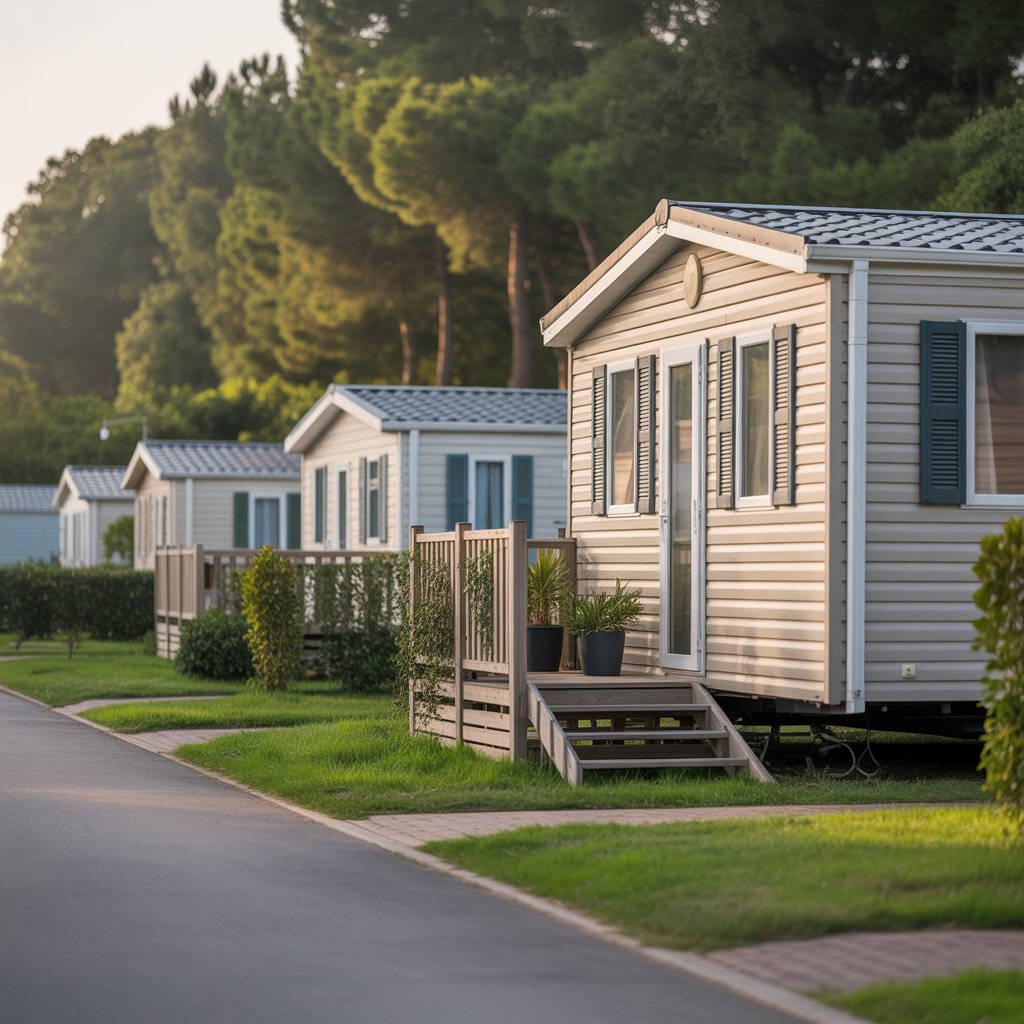
Investing in housing comes in many shapes. Factory-built homes, often faster and cheaper than traditional builds, are gaining attention as an alternative path to rental income. This article breaks down the fundamentals, walks through the financial trade-offs, and supplies a practical framework for deciding whether this asset class belongs in a portfolio.
The goal is straightforward: present clear, actionable information so the best decision depends on objectives such as cash flow versus appreciation, financing options, and exit strategy, not on hype.
What counts as a mobile home?
A factory-built dwelling that arrives on site in sections and is assembled there qualifies as a manufactured mobile home. Most interior systems, including electrical, plumbing, insulation, and finishes, are completed in a factory environment; on-site work focuses on joining modules, securing the structure, and connecting utilities. This construction method drives many of the advantages discussed below, including lower cost, faster delivery, and potential mobility when the home sits on leased land.
Quick snapshot: benefits and potential drawbacks
- Fast time to rent: Factory construction can drastically reduce the time from investment decision to rental income.
- Lower purchase price: Entry costs are often a fraction of a comparable single-family house.
- Cash flow opportunity: The lower capital outlay can produce attractive cash-on-cash returns.
- Financing and resale: Specialized lending and lower buyer demand in some markets are important constraints.
- Depreciation and classification: Tax and appraisal treatment depend on whether the home is treated as personal property or real property.
How mobile homes compare with traditional single-family rentals
A useful way to evaluate the option is by comparing the most important owner outcomes, such as purchase price, financing, cash flow, and long-term appreciation.
- Upfront cost: Lower for factory-built homes, which reduces capital required and allows for portfolio diversification more quickly.
- Financing: conventional mortgages often require the home to be permanently attached to owned land. When the home is not permanently affixed, chattel loans or specialty programs tend to be used.
- Cash flow: The owner basis can mean higher cash-on-cash returns even if nominal rent levels are similar.
- Appreciation: Single-family homes historically show stronger long-term appreciation than many manufactured units, especially when the latter remain classified as personal property.
Deep dive: financial levers and performance metrics
When analyzing a specific opportunity, run the numbers on these metrics:
- Cash-on-cash return: Annual pre-tax cash flow divided by actual cash invested. Lower purchase price and lower debt service often help here.
- Cap rate: Net operating income divided by purchase price. Useful for comparisons across assets.
- Total return: Combines cash flow and capital appreciation. Expect different mixes of these components in factory-built homes versus site-built houses.
- Exit liquidity and resale value: Consider how easy it will be to sell the asset when the time comes and whether the asset will be attractive to a broad pool of buyers.
Pros of choosing factory-built homes for rentals
Faster occupancy
Factory construction compresses lead times. From order to on-site set up, the process can be completed significantly faster than ground-up construction, reducing carrying costs and accelerating the path to rental income.
Lower capital requirement
A smaller purchase price permits entry with less capital. That can enable a buyer to acquire multiple units or to deploy leverage selectively across a larger portfolio.
Relocatable option in some cases
When placed on leased land, a manufactured unit can sometimes be moved, providing an unusual degree of flexibility. This mobility is helpful where land access or local regulations change over time.
Market demand for affordable housing
In high-cost housing markets, affordable, well-maintained manufactured units can attract stable tenant demand and reduce vacancy risk relative to price-sensitive renter pools.
Cons and realistic risks
Depreciation and classification
Manufactured homes not permanently affixed to land are often classified as personal property and may depreciate, which can affect resale and appraisal values. For more on how classification affects long-term value, see the section below.
Financing complexity
Conventional mortgage products typically focus on real property. Manufactured homes that remain personal property require specialty lending, which can carry higher rates and shorter terms.
Zoning and park rules
Local zoning, community park rules, and land lease agreements can limit placement options and affect cash flow predictability.
Resale market limitations
Buyer pools for certain manufactured homes, particularly those in parks or on leased land, are often smaller. That can lengthen the time to sell and compress resale prices.
Tax and depreciation are the key questions.
Two of the most common investor questions center on depreciation and classification. These are not only accounting issues; they influence financing, valuation, and resale prospects.
- If the home is treated as personal property, depreciation rules differ, and lenders may view the asset differently, often creating tighter loan terms.
- If the home is permanently affixed to owned land and becomes real property, the unit may appreciate alongside the land and attract conventional mortgage products.
For clarity, the terms do manufactured homes depreciate and does a manufactured home depreciate highlight the need to confirm local rules and appraisal practice before purchase. These concepts depend heavily on classification, installation, and local market norms.
Practical note: Consult a licensed appraiser or local assessor early in the underwriting process to determine how the home will be treated for tax and mortgage purposes.
Understanding what drives mobile home resale value
Several factors shape resale prospects:
- Ownership of the land: Homes on owned land typically have stronger resale appeal.
- Age and condition: newer, well-maintained units attract a wider buyer pool.
- Community and location: Homes located in well-maintained parks or stable neighborhoods are easier to sell.
- Title and classification: A clear title and conversion to real property improve marketability.
Higher resale value tends to follow when the manufactured unit is treated like any other house, affixed to land, on a permanent foundation, and clear of restrictive park rules.
Practical underwriting checklist
Before acquiring a manufactured rental, apply this checklist:
- Confirm classification: personal property or real property
- Verify zoning and park regulations for long-term rental use
- Obtain a local appraisal or broker opinion of value
- Run conservative rent and expense scenarios
- Review financing options and compare loan terms
- Check insurance availability and typical premiums
- Evaluate exit options and likely holding period
Financing options and typical terms
Financing choices influence return and risk:
- Chattel loans: For homes not affixed to land. Shorter terms and higher rates are common.
- FHA or VA manufactured home programs: Often available when the home and lot meet program requirements.
- Conventional mortgages: Often possible when the home is permanently affixed and titled as real estate.
Selecting the right loan requires aligning the financing structure with the holding strategy. Short-term chattel loans can work for investors focused on quick cash flow and near-term exit, while longer-term mortgages suit buy-and-hold equity strategies.
Rental operations, maintenance, and tenant considerations
Maintenance needs differ from conventional houses. Common items include skirting, tie-down systems, roof coatings, and manufacturer-specific components. Establishing a reliable repair vendor network familiar with factory-built systems is an operational advantage.
Tenant screening and lease structure should reflect local norms, park rules, and land lease terms. Clarity on utility responsibility, lot maintenance, and moves is essential.
Where manufactured units make strategic sense
These asset types align with the following investor profiles:
- Investors prioritizing cash flow and quick deployment of capital
- Buyers pursuing portfolio scalability through multiple lower-cost units
- Investors are comfortable navigating specialty financing and resale considerations
- Buyers targeting markets with a shortage of affordable rental housing
If the primary objective is long-term appreciation and equity build-up, traditional single-family homes or multifamily properties often outperform manufactured units, especially when the latter remain classified as personal property.
Alternatives and complementary strategies
Manufactured housing is one option within a wider set of strategies for residential income:
- Single-family rentals: often better for appreciation and conventional finance
- Small multifamily: balances cash flow and diversification across units
- REITs and passive vehicles: for investors seeking exposure without direct management
Frequently asked questions
Q: Can a manufactured unit be treated like a regular house for financing
A: Yes, but only when the home is permanently affixed to owned land, meets local requirements, and is titled as real property.
Q: How quickly can a new manufactured home be ready for tenants
A: Factory production plus on-site setup is typically much faster than ground-up construction, often reducing timelines from many months to a matter of weeks.
Q: Can I rent out a mobile home
A: Renting is possible, but confirm park rules, lease terms, zoning, and any limitations on subleasing or tenant selection.
Q: What determines mobile home resale value
A: Mobile home resale value is driven by lot ownership, condition, age, buyer demand, and classification as real or personal property.
Making the decision a simple decision tree
- Primary goal: cash flow now. If yes, manufactured units often fit
- Primary goal: equity and appreciation. If yes, site-built homes may be a better fit
- Willing to manage specialty financing and resale. If yes, manufactured homes are an option
- Is the land owned or leased? Owning land strengthens the economic case
Conclusion
Factory-built homes present a distinct set of advantages, such as lower entry cost, faster occupancy, and potentially stronger short-term cash flow. These strengths make the asset class appealing for income-focused investors seeking efficiency and scalability. The most significant caveats include financing complexity, legal classification, and a narrower resale market. A careful underwriting process that verifies title status, zoning, loan availability, and repair needs separates profitable acquisitions from costly mistakes.
Further Reading
- Are Rental Properties Worth Investing in? Pros, Cons, and Expert Tips
- Investing in Mobile Homes in 2025: Pros & Cons
- 6 Pros and Cons of Investing in Mobile Homes
- Are Mobile Homes a Good Investment? Examining the Pros and Cons – Azibo
- Are Mobile Homes Still a Good Investment in 2025? – Kenna Real Estate Group – 303-955-4220
- Mobile Homes as Rental Properties: A Profitable Investment Strategy? – Trustworthy: The Family Operating System®