
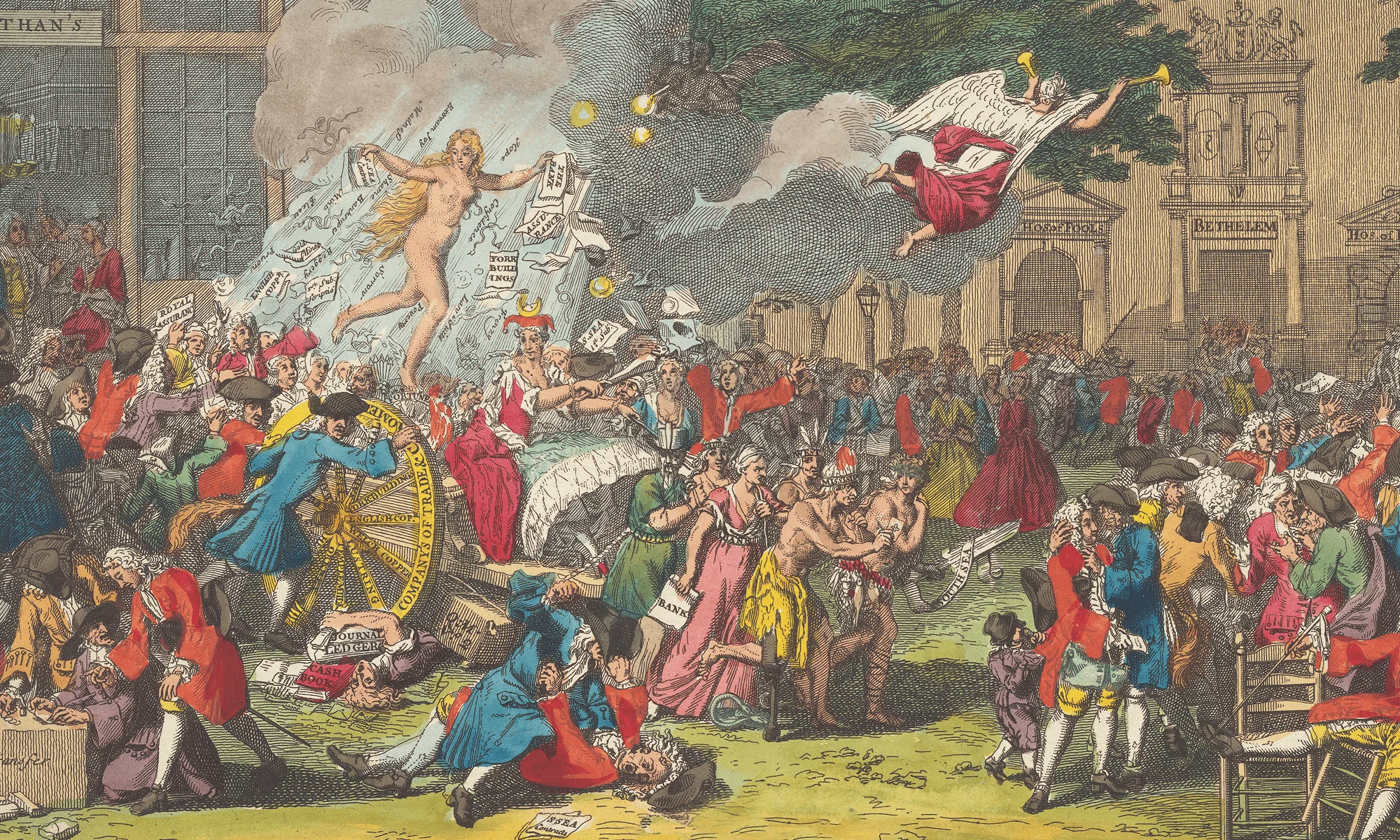
The Mississippi Bubble, one of the earliest examples of an economic bubble in history, serves as a cautionary tale of overzealous speculation, unchecked printing of money, and the disastrous consequences that follow. In the early 18th century, France was struggling with a massive national debt, primarily due to the wars it had fought. Enter John Law, a Scottish adventurer with a vision to restore France’s economy. Law’s creation of the Mississippi Company and his subsequent manipulation of French currency set the stage for one of the most significant economic disasters of the time. The “Mississippi bubble” ultimately burst in 1720, devastating France’s financial system and leaving many in financial ruin. In this article, we will delve into the origins of the “Mississippi Bubble”, the factors that led to its explosion, and its lasting impact on economic theory.
The Rise of the Mississippi Scheme
The Mississippi Scheme began with John Law’s ambition to transform the financial landscape of France. After King Louis XIV died in 1715, France was left with an enormous national debt. The treasury was nearly bankrupt, largely due to the costs of prolonged wars. The situation seemed dire, and the country’s financial stability was hanging by a thread.
At this point, the regent of France, the Duke of Orléans, appointed John Law to tackle the nation’s economic problems. Law, a man with a checkered past but a sharp mind for finance, proposed a radical solution: switching the French economy from a metal-based currency system to paper money. He believed that by issuing paper banknotes, he could stimulate trade and create a stable economy. This move, he claimed, would solve the issue of limited gold and silver reserves, which were causing instability.
In 1716, Law was granted the authority to open a bank, known as La Banque Générale, which issued paper currency in exchange for gold and silver deposits. While the idea of paper currency was revolutionary, it relied heavily on public confidence. Law then took control of the Mississippi Company, a trading company that held a monopoly over French interests in North America, particularly in Louisiana.
The Creation of the Mississippi Company
The Mississippi Company was not just a trading enterprise; it held immense power. It was granted privileges such as the right to collect taxes and conduct trade beyond Europe. The company, which had been languishing financially, became the center of Law’s grand plan to rejuvenate France’s economy. Law’s idea was simple: the more shares he could sell in the company, the more funds he could raise to reduce the national debt. As people bought shares in the company, the value of those shares soared.
Law promised that these shares would lead to immense profits, especially from the lucrative natural resources that would be extracted from the French colonies in the Americas. He also promised that investors would be able to exchange their shares for gold or silver when they chose to redeem them. This was key to gaining the trust of investors, as it gave them a tangible way out should the scheme collapse.
However, the real problem began when the price of Mississippi Company shares began to rise uncontrollably. As more shares were issued, the value of each share increased. The demand for these shares was insatiable, and the French public was swept up in a frenzy of speculation.
The Speculation and Inflation Spiral
As more and more people invested in the Mississippi Company, Law continued to print more paper money to fund the company’s operations. This led to a situation where the value of the paper currency was detached from the actual reserves of gold and silver in the French treasury. The supply of paper currency far exceeded the real value backing it.
This inflated money supply caused an artificial boom. Law’s assurances that the Mississippi Company would yield great profits from the American colonies fueled a speculative frenzy. People began to pour their money into the company’s shares, expecting the value to keep rising. The Mississippi scheme, which was supposed to be a panacea for France’s financial problems, began to feed on itself, creating a bubble that was destined to burst.
Why Did the Mississippi Bubble Burst?
The Mississippi Bubble began to unravel when the demand for gold and silver reached a critical point. While Law had promised that shares could be redeemed for precious metals, the amount of gold and silver available in the French treasury was insufficient to meet this demand. Law had capped the amount of gold and silver investors could redeem in an attempt to prevent a run on the bank, but this only further eroded confidence in the system.
As more people tried to cash out their investments, the price of Mississippi Company shares began to drop sharply. This sudden devaluation of the shares triggered panic among investors, leading to a massive sell-off. People rushed to convert their paper currency back into tangible assets, but there was nothing left to back the paper money. The value of the currency collapsed, causing hyperinflation.
The bubble burst in 1720 when the value of the Mississippi Company shares plummeted. The French economy, already fragile, was sent into a tailspin. The collapse of the Mississippi Company triggered a series of financial crises, not just in France but across Europe. The “Mississippi bubble” was one of the first major financial crises in modern economic history, and its consequences were far-reaching.
The Aftermath of the Mississippi Bubble
Following the collapse of the Mississippi Company, the French economy entered a period of severe depression. People who had invested their life savings in the company were ruined, and the trust in the paper currency system evaporated. Law, who had been the architect of the scheme, took the brunt of the blame for the disaster. Despite his earlier influence and power, he was forced into exile, and his bank was shut down.
The French government attempted to restore the public’s confidence by promising to return the Mississippi Company shares to their original value. However, this promise proved empty, and the collapse of the company had devastating consequences. The ripple effects were felt across Europe, and the financial instability contributed to the long-term challenges faced by many European nations.
The Legacy of the Mississippi Bubble
The collapse of the Mississippi Bubble left an indelible mark on economic history. It highlighted the dangers of excessive speculation, unchecked financial practices, and the risks of paper money without sufficient backing. The lessons learned from the “mississippi bubble” continue to influence financial policies today.
It also underscored the role of government in managing economic crises. John Law’s experiment with the Mississippi Scheme showed that even the most well-intentioned financial reforms could lead to catastrophic consequences if not carefully managed. The Mississippi Bubble remains an essential case study for economists, policymakers, and investors alike.
Key Figures and Their Roles in the Mississippi Bubble
The key players in the Mississippi Bubble were few but critical to its rise and fall. John Law, the mastermind behind the scheme, was a man of vision but also one of great controversy. His ability to manipulate public perception and control the economy through paper money made him both a hero and a villain. The Duke of Orléans, as the regent, played a crucial role in allowing Law to implement his ideas, which ultimately led to the collapse of the French financial system.
Conclusion: The Fall of the Mississippi Company
The Mississippi Bubble burst due to a combination of factors: over-speculation in the Mississippi Company, the excessive printing of paper money, and the public’s unrealistic expectations about the potential wealth from France’s American colonies. The “mississippi scheme”, initially seen as a solution to France’s economic woes, spiraled out of control and left the nation in financial turmoil.
The “Mississippi Company bubble” serves as an early and significant reminder of the dangers of speculative financial bubbles. It highlights the importance of balancing risk with reward and the need for government oversight in economic ventures. As we study the Mississippi Bubble today, we can take lessons from its rise and fall to understand the dynamics of modern financial markets better and avoid similar pitfalls.
For those interested in deepening their understanding of financial markets and investment strategies, consider exploring my course on investment fundamentals: Key to Vision Investment Beginner Subscription. Additionally, feel free to join the discussion and stay updated through our Facebook page.