
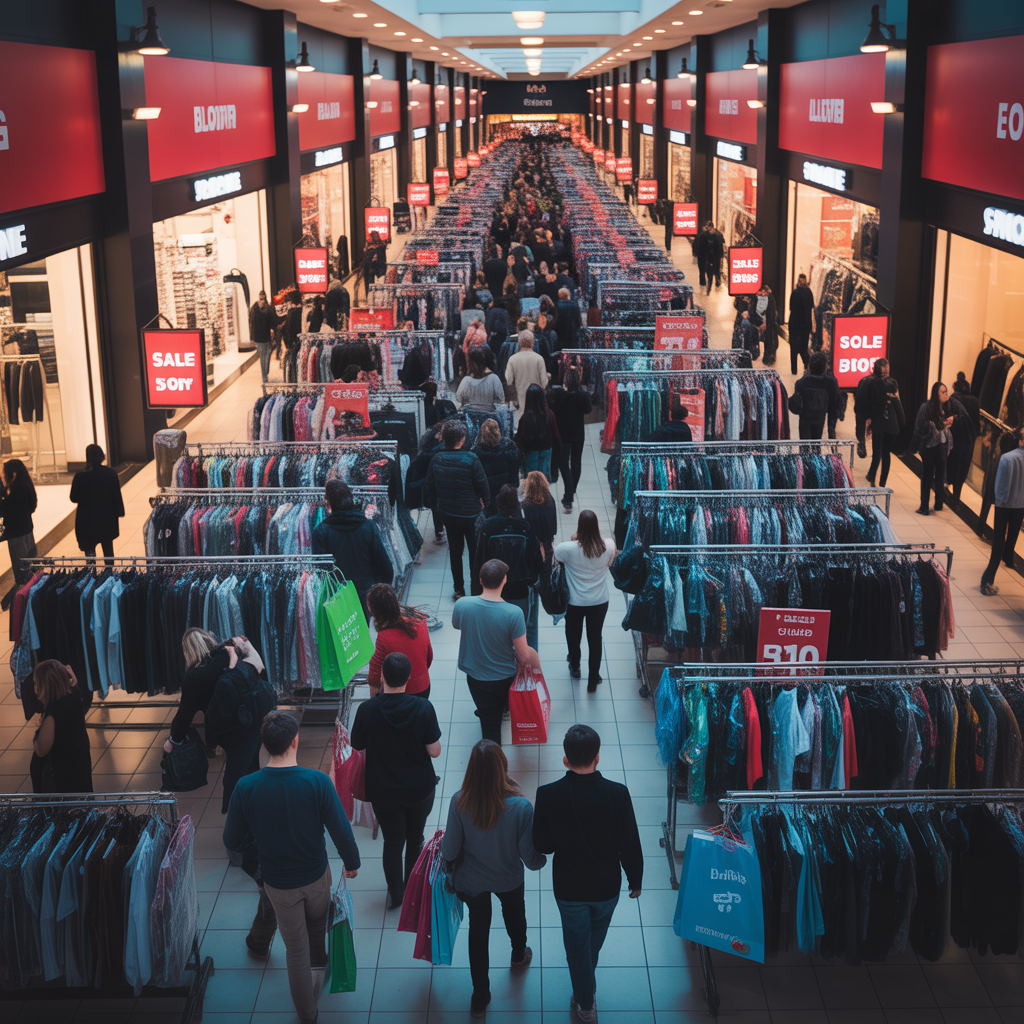
Black Friday marks a pivotal moment on the retail calendar. For many households, it is a chance to save on major purchases; for retailers, it is an opportunity to move inventory and capture attention. Beneath the flash sales and doorbuster headlines lies a pattern of incentives, timing, and psychological nudges that influence spending behavior and economic signals.
This article examines those mechanics from an economist’s perspective, translating retail activity into real-world effects on prices, demand, and personal finances. Practical takeaways and realistic expectations will be highlighted throughout.
How Black Friday Became an Economic Signal
Black Friday has evolved from a single-day event into a multi-day retail period featuring both in-store and online promotions. As a concentrated burst of consumer spending, it provides a snapshot of demand for discretionary goods during a key quarter. Retailers often plan assortments and promotional calendars around this period, which in turn affects production schedules, inventory management, and seasonal hiring.
Key mechanism: concentrated discounting generates short-term spikes in demand for specific product categories, which can temporarily alter price elasticities and supply chain priorities.
The Psychology Behind the Purchases
Shoppers respond to scarcity cues, time-limited deals, and comparative price frames. Limited-quantity “doorbuster” offers create urgency, while steep discounts on visible, high-interest items (electronics, toys, high-end appliances) act as traffic drivers.
Behavioral levers commonly used during the weekend:
- Anchoring: presenting a high “was” price next to a reduced price.
- Scarcity: limited quantities or timed offers.
- Social proof: showcasing high sales numbers or bestseller tags.
- Bundling: pairing lower-margin items with higher-margin add-ons.
These levers shift purchasing decisions, often increasing conversion rates for promoted items and producing ancillary sales of unpromoted goods.
Who Wins and Who Loses: Distributional Effects
While promotions appear broadly beneficial, benefits are not evenly distributed.
- Price-sensitive consumers who plan purchases gain the most.
- Retailers offloading last-season inventory reduce carry costs but may compress margins.
- Suppliers face volatile demand signals, spikes during the event, followed by troughs, complicating production forecasts.
- Competing retailers that do not match promotions may lose short-term market share.
Understanding these distributional effects helps households make more strategic decisions about when to buy and when to wait.
Timing and the Calendar: Why That Friday Matters
Black Friday follows the major national holiday that gives many people an extended break. That timing concentrates available leisure time, increasing the likelihood of shopping both in stores and online. The position of the day in the fiscal calendar also makes it a convenient checkpoint for retailers to influence fourth-quarter results.
To address a common query in plain terms: What is black friday? It is the post-holiday shopping period that signals the high season for retail purchases.
Online vs. In-Store: Two Markets, One Weekend
The commerce landscape now features parallel arenas: physical stores and online platforms. While both compete for the same consumer dollars, promotional approaches and cost structures differ.
- Online promotions can scale quickly and offer dynamic pricing, but shipping and returns add post-sale costs.
- In-store incentives drive foot traffic and impulse purchases but incur labor and security expenses.
The coexistence of both channels has blurred the lines of a single “day,” stretching deals across several days and converting the event into a weekend, or longer, phenomenon.
A frequent question is what black friday is in the digital age: it is both a physical and virtual race to capture attention, clicks, and carts across multiple channels.
Price Dynamics and Real Savings
A critical distinction exists between headline discounts and genuine, repeatable savings. Some retailers use temporary price cuts to drive traffic while maintaining higher baseline prices for similar goods. True bargains occur when discounts reduce the long-run purchase price or represent clearance of genuine overstock.
Tools such as historical price trackers or price-comparison checks can reveal whether a deal is genuinely deep. For those evaluating major purchases, timing and due diligence matter more than the promotional label.
This addresses a semantic query: black friday meaning, it denotes an intense period of price promotions intended to stimulate transactions and move inventory.
Macroeconomic Signals Versus Micro Decisions
Aggregate sales during the Black Friday weekend can serve as one among many indicators for short-term consumer sentiment. However, these figures should be treated cautiously:
- Aggregated weekend sales reflect promotional intensity as much as organic demand.
- Shifts in product mix (e.g., more spending on electronics vs. apparel) can change headline totals without indicating broad-based consumer strength.
Thus, while retailers and market watchers monitor sales volumes, a single weekend of promotions provides limited predictive power for long-term economic trends.
Labor, Logistics, and the Hidden Costs
Seasonal hiring and extended operating hours are common responses to the shopping surge. These adjustments carry costs beyond wages: training, overtime, and logistics for rapid replenishment. Suppliers and warehouses may accelerate production and shipping, generating short-term expenses that affect margins.
Households considering the broader social cost of deeply discounted pricing should weigh not only the sticker price but also the downstream effects on labor and supply chains.
When to Buy and When to Hold Off
Promotional calendars now include pre-Black Friday sales, Black Friday itself, Cyber Monday, and further post-weekend promotions. For many categories, especially electronics, value often appears in the weeks surrounding the event rather than exclusively on the main day.
A practical checklist for purchase timing:
- Identify the product category and typical seasonal price patterns.
- Track historical prices or use alerts to detect genuine dips.
- Determine whether the purchase is discretionary or urgent.
- Factor in return policies and extended warranty costs.
This helps translate promotional noise into reasoned purchasing decisions, answering the common shopper curiosity about what is in black friday: a mix of genuine markdowns, promotional gambits, and inventory-clearing tactics across categories.
The Language of the Day: Capitalization and Naming
Questions sometimes arise about style and naming conventions. For clarity: the event name appears in various forms across publications, prompting questions such as whether Black Friday is capitalized. Style choices vary; consistent capitalization often depends on editorial guidelines, but the meaning remains stable regardless of presentation.
Another phrasing that appears in search queries is why is it called black friday and why is black friday called black friday; Both ask about origins and etymology. The term evolved over decades and carries both historical and commercial connotations tied to retail profitability and earlier colloquial usage.
Safety, Crowd Management, and Consumer Welfare
Large crowds and aggressive promotions have, on rare occasions, produced unsafe situations. Responsible retailers balance promotional intensity with adequate staffing, crowd control, and clear policies to minimize risk. For consumers, planning visits during off-peak hours or using online channels can reduce exposure to crowded conditions.
From a policy perspective, better coordination between logistics planning and local safety protocols reduces the incidence of problems during peak shopping periods.
Cyber Monday and the Extended Weekend
The Monday after the weekend has its own identity: a focus on online promotions. This pattern exploits the workweek rhythm, where many consumers return to routine and may browse online for deals. The extension of promotional activity across days dilutes the significance of any single 24-hour period and places emphasis on a multi-day strategy.
In shorthand terms, black friday thanksgiving ties the shopping event to the holiday timing that enables a concentrated consumer response, while Cyber Monday complements the weekend with a digital focus.
Environmental and Financial Considerations
Concentrated buying and high turnover of goods contribute to higher shipping volumes, packaging waste, and eventual disposal. From a household finance view, impulse purchases during intense promotions can strain budgets or duplicate ownership of similar items.
Useful questions before a purchase include:
- Will this item be used frequently enough to justify the cost?
- Is the discounted item replacing something serviceable?
- Is the total cost (including shipping and warranty) competitive?
Such questions help align personal finances with broader sustainability goals.
Fun Facts and Surprising Details
Retail history and consumer behavior around this weekend contain memorable anecdotes and oddities that have shaped how the event is perceived. For readers curious about lighter aspects, fun facts about black friday span topics from the evolution of marketing tactics to quirky product trends that captured public imagination. These highlights often underscore how culture and commerce interact during peak shopping moments.
How to Interpret Headlines and Sales Numbers
When headlines announce record holiday sales, the underlying story often reflects promotional strategy as much as consumer enthusiasm. Distinguishing genuine demand growth from promotional calendar shifts requires attention to product mix, average transaction value, and comparable-period sales.
A useful approach for readers interested in the macro picture:
- Focus on year-over-year comparisons adjusted for promotional days.
- Look at basket composition instead of total revenue alone.
- Consider whether discounts are broad-based or concentrated in a few categories.
This contextual reading prevents overreaction to single-event statistics.
Practical Takeaways
- Compare prices over time rather than relying solely on the promotional label.
- Prioritize purchases by need and total cost, not just headline discounts.
- Use both online and in-store options strategically to avoid crowding and secure return flexibility.
- Recognize that spending surges often reflect promotional timing, not long-term demand shifts.
- Apply a simple checklist (need, price history, alternatives, return policy) before confirming major purchases.
Conclusion
Black Friday operates at the intersection of consumer psychology, retailer strategy, and broader economic rhythms. For individuals, the weekend offers opportunities for meaningful savings when approached with preparation and patience. For the economy, concentrated promotional events provide useful, but limited, signals about consumer behavior. Interpreting those signals demands attention to context, product mix, and the influence of marketing instruments.
Reflecting on the event from an economist’s vantage point clarifies how short-term incentives can shape long-term choices. Armed with that perspective, decisions during the shopping season can be both smarter and more economically sound.
Further Reading
- Understanding Black Friday from an Economist’s Viewpoint and Its Impact on You
- Understanding Black Friday and Economics: Trends and Insights | Hivenet
- The economics of Black Friday: what it tells us about consumer trends | LGT
- Black Friday: What are the economics behind the sales? – The New Economy
- From Discounts to Dividends: A New Mindset Around Black Friday