
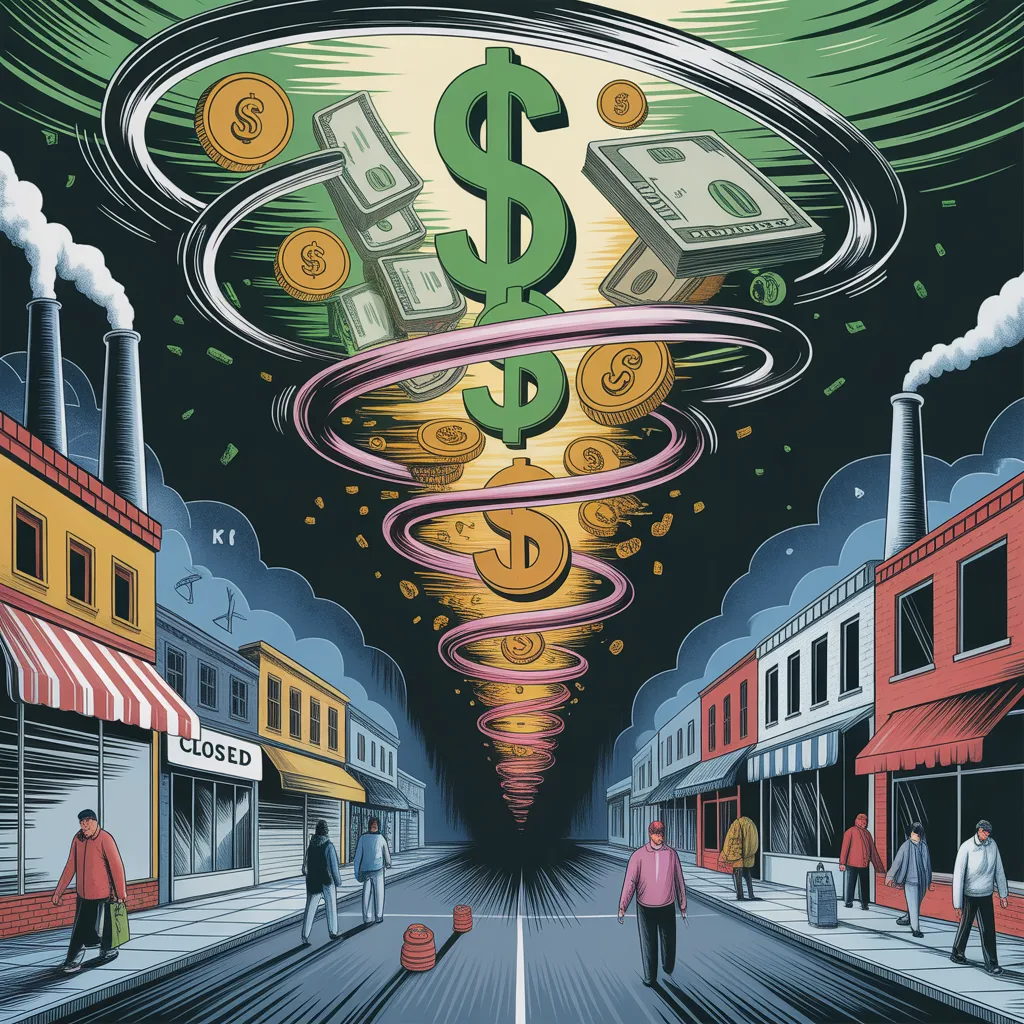
falling may sound like good news. Lower prices at the store seem helpful. But when people ask why is deflation bad, they are talking about something much deeper than discounts. Deflation means a broad and sustained drop in prices across the economy. It affects wages, jobs, business profits, and debt. It can slow spending and investment. And it can create a cycle that is hard to break. While inflation gets more attention, falling prices can also damage economic growth. The real issue is not cheaper goods. The issue is what happens when consumers and businesses expect prices to keep falling. That changes behavior. It reduces demand. It increases the real burden of debt. And over time, it can weaken the entire financial system.
What Is Deflation?
Before going further, it helps to define deflation clearly. Deflation is a general decline in the price level of goods and services over time. It is not about one product getting cheaper. It is about many prices falling at once.
This usually happens when demand in the economy drops. People spend less. Businesses lower prices to attract buyers. If this continues, wages may fall. Companies may cut jobs.
Deflation is measured using price indexes, such as the Consumer Price Index. When the overall index declines for a sustained period, economists say the economy is experiencing deflation.
At first glance, lower prices may seem positive. But the broader impact often creates serious problems.
Why Is Deflation Bad for the Economy?
The full question many people ask is why is deflation bad for the economy. The answer lies in how people react to falling prices.
When consumers believe prices will be lower next month, they delay purchases. Why buy a car today if it may cost less later? Why invest in new equipment if prices are falling?
This delay reduces overall demand. Businesses earn less revenue. Profits shrink. Companies respond by cutting costs. That often means layoffs or lower wages.
Lower wages reduce spending even more. This creates a negative cycle:
- Lower prices
- Reduced spending
- Lower business income
- Job cuts
- Even lower spending
This downward spiral can slow growth for years.
The Problem With a Deflationary Economy
A deflationary economy changes how people think and act. Confidence drops. Spending slows. Investment weakens.
Businesses avoid expanding because they expect weaker demand. Banks become cautious. They may reduce lending due to higher risks.
Debt becomes more painful during deflation. If prices and wages fall, the real value of debt rises. A loan that once felt manageable becomes heavier. Households and companies must use more of their income to repay the same debt.
This can lead to defaults. Financial stress increases. Economic recovery becomes harder.
Inflation vs Deflation: Why Falling Prices Can Be Worse
Many debates focus on inflation vs deflation. Both can harm the economy. But deflation often creates deeper long-term problems.
Inflation reduces purchasing power. But moderate inflation can encourage spending and investment. When prices rise slowly, consumers are more likely to buy now rather than wait.
Deflation does the opposite. It rewards waiting. It punishes borrowers. It discourages business growth.
Central banks usually aim for low and stable inflation. They rarely target zero inflation. That is because a small inflation rate provides a buffer against falling into deflation.
Disinflation vs Deflation: Know the Difference
It is important to understand disinflation vs deflation. These terms are not the same.
Disinflation means inflation is slowing down. Prices are still rising, but at a slower pace. For example, inflation might fall from 6 percent to 3 percent. Prices continue to increase, just more slowly.
Deflation means prices are actually falling. The inflation rate becomes negative.
Disinflation can be healthy, especially if inflation was too high. Deflation is more dangerous because it signals shrinking demand and economic weakness.
Confusing these terms can lead to misunderstanding economic reports.
Debt Becomes More Expensive in Real Terms
One major reason why deflation is bad is its effect on debt. Debt contracts are fixed in nominal terms. That means the amount owed does not change even if prices fall.
When wages decline and profits shrink, paying back debt becomes harder. The real value of the debt increases.
For example:
- A business takes a loan based on expected revenue.
- Prices fall. Revenue drops.
- The loan amount stays the same.
The business must now devote a larger share of income to repayment. This can lead to bankruptcies.
The same applies to households with mortgages or car loans. Falling incomes and stable debt create financial pressure.
Lessons From US Deflation
History shows how damaging us deflation can be. The Great Depression in the 1930s is a clear example. During that period, prices fell sharply. Businesses failed. Banks collapsed. Unemployment rose to extreme levels.
Consumers stopped spending because they expected prices to fall further. Companies cut production. Economic activity slowed for years.
While today’s economy is different, the lesson remains important. Once deflation takes hold, it is difficult to reverse.
Central banks now act quickly when inflation drops too low. They lower interest rates or use other tools to stimulate demand. The goal is to prevent deflation from becoming persistent.
Impact on Employment and Wages
Deflation does not just affect prices. It affects jobs and income.
When businesses earn less revenue, they look for ways to reduce costs. Labor is often the largest expense. Companies may:
- Freeze hiring
- Cut wages
- Reduce hours
- Lay off workers
Lower wages reduce consumer confidence. People spend less because they fear job loss. This reinforces the cycle of weak demand.
Unemployment can rise during extended periods of deflation. That creates social and economic strain.
Why Central Banks Fear Deflation
Central banks focus heavily on price stability. They often aim for around 2 percent inflation. That target is not random.
A small positive inflation rate:
- Encourages spending
- Reduces the real burden of debt
- Provides room to lower interest rates during downturns
When inflation falls too close to zero, policymakers worry. If deflation begins, interest rates may already be very low. That limits the tools available to stimulate the economy.
This is another reason economists take deflation seriously.
Can Deflation Ever Be Good?
There are rare cases where falling prices come from positive developments. For example, improved technology can reduce production costs. Consumers benefit from lower prices without a collapse in demand.
But broad and sustained deflation across many sectors usually signals weak demand, not productivity gains.
That is why most economists focus on preventing it rather than welcoming it.
Final Thoughts
Understanding why is deflation bad for the economy helps explain why policymakers react strongly when inflation drops too low. Falling prices may sound appealing at first. But widespread deflation changes behavior in harmful ways.
It discourages spending. It increases the real burden of debt. It weakens business investment. It can raise unemployment. And once it starts, it can be hard to stop.
Stable and modest inflation tends to support growth better than falling prices. The goal is balance. Too much inflation is harmful. But persistent deflation can be even more damaging.
In the end, price stability supports confidence. And confidence supports economic growth.